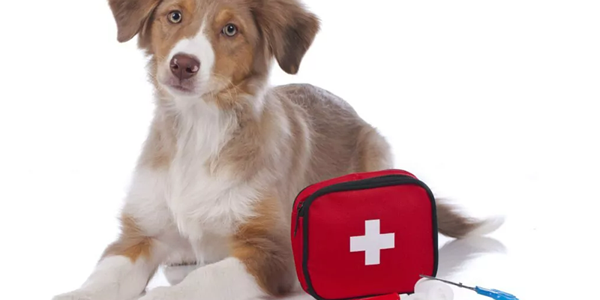
10 Essential Puppy Care Tips for First-Time Dog Owners
Bringing home a puppy is one of the most exciting things you can do. But it also comes with a lot of responsibility. Puppies need care, love, and attention to grow into happy and healthy dogs. If you are a first-time dog owner, you might feel a little overwhelmed. That is okay. I will share 10 essential puppy care tips to help you give your new furry friend the best start in life.
1. Prepare Your Home Before the Puppy Arrives
Before your puppy comes home, you need to make sure your house is ready. Puppies are curious and will explore everything. This can be dangerous if you do not puppy-proof your home.
Remove hazards: Keep small objects, chemicals, and electrical cords out of reach.
Create a safe space: Set up a cozy area with a bed, toys, and water. A crate can be a great option for this.
Get the essentials: Buy food, bowls, a collar, leash, and grooming supplies.
Puppies are like babies: they need a safe environment to learn and grow.
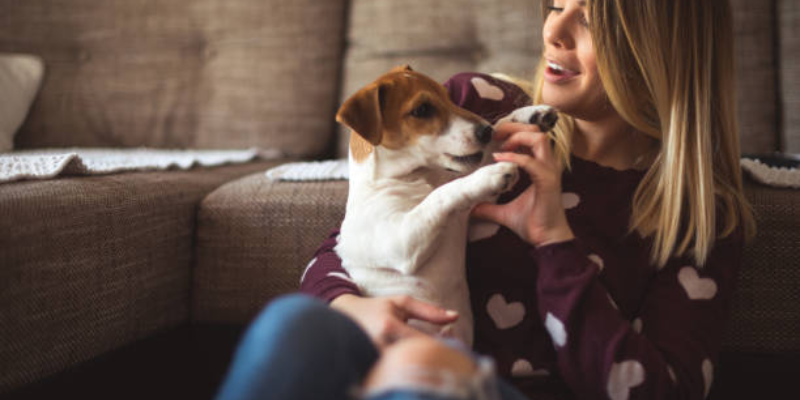
2. Choose the Right Food
Puppies need special food to help them grow strong and healthy. Not all dog foods are the same. Look for high-quality puppy food that meets their nutritional needs.
Check the label: The food should have protein, fats, and essential vitamins.
Follow feeding guidelines: Puppies need to eat more often than adult dogs. Usually, three to four small meals a day are best.
Avoid human food: Some foods like chocolate, grapes, and onions are toxic to dogs.
According to the American Kennel Club, proper nutrition is key to a puppy’s development.
3. Start Training Early
Training your puppy is one of the most important things you can do. It helps them learn good behavior and builds a strong bond between you.
Teach basic commands: Start with simple commands like sit, stay, and come.
Use positive reinforcement: Reward your puppy with treats or praise when they do something right.
Be patient: Puppies learn at their own pace. Do not get frustrated if they do not understand right away.
Training should be fun for both you and your puppy.
4. Socialize Your Puppy
Socialization means helping your puppy get used to different people, animals, and environments. This is very important for their mental health.
Introduce new experiences: Take your puppy to meet friendly dogs and people. Let them explore new places.
Stay calm: If your puppy seems scared, comfort them but do not force them into situations.
Start early: The best time to socialize a puppy is between 3 and 14 weeks old.
A well-socialized puppy is more likely to grow into a confident and friendly dog.
5. Establish a Routine
Puppies thrive on routine. It helps them feel safe and know what to expect.
Set a schedule: Feed, walk, and play with your puppy at the same times every day.
Include potty breaks: Puppies need to go outside often, especially after eating or playing.
Stick to bedtime: A regular sleep schedule helps your puppy get the rest they need.
Consistency is key when it comes to raising a happy puppy.
6. Keep Up with Vet Visits
Regular vet visits are essential for your puppy’s health. Your vet will check for any problems and make sure your puppy is growing well.
Vaccinations: Puppies need a series of shots to protect them from diseases.
Parasite prevention: Your vet can recommend treatments for fleas, ticks, and worms.
Health checks: Regular exams help catch any issues early.
The American Veterinary Medical Association recommends scheduling your puppy’s first vet visit within a week of bringing them home.
7. Groom Your Puppy Regularly
Grooming is not just about keeping your puppy looking good. It is also about keeping them healthy.
Brush their coat: This removes dirt and prevents tangles.
Trim their nails: Long nails can be uncomfortable and cause problems.
Clean their ears and teeth: This helps prevent infections and dental issues.
Make grooming a positive experience by being gentle and giving treats.
8. Provide Plenty of Exercise
Puppies have lots of energy and need exercise to stay happy and healthy.
Playtime: Games like fetch or tug-of-war are great for bonding and burning energy.
Walks: Short walks are good for young puppies. As they grow, you can increase the distance.
Mental stimulation: Puzzle toys and training exercises keep your puppy’s mind sharp.
Remember, too much exercise can be hard on a puppy’s growing body. Keep activities age-appropriate.
9. Be Patient with Potty Training
Potty training is one of the biggest challenges for new puppy owners. It takes time and patience.
Take them out often: Puppies need to go outside every few hours, especially after eating or drinking.
Choose a spot: Always take your puppy to the same area to do their business.
Reward success: Praise your puppy and give them a treat when they go outside.
Accidents will happen. Do not punish your puppy. Instead, clean up calmly and keep trying.
10. Give Lots of Love and Attention
Puppies need love and attention to feel secure and happy.
Spend time together: Play, cuddle, and talk to your puppy every day.
Be gentle: Puppies are small and delicate. Handle them with care.
Build trust: Show your puppy that you are someone they can rely on.
A happy puppy is a loved puppy.
Common Mistakes to Avoid
Even with the best intentions, new puppy owners can make mistakes. Here are some common ones to watch out for:
Skipping training: Training is essential for a well-behaved dog. Do not put it off.
Overfeeding: Too much food can lead to obesity and health problems.
Ignoring signs of illness: If your puppy seems sick, take them to the vet right away.
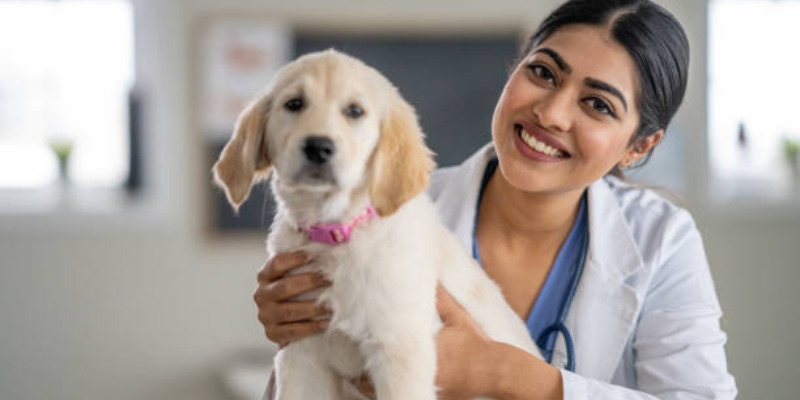
Helping Your Puppy Adjust
The first few weeks with your puppy can be challenging. But with patience and care, they will settle into their new home.
Be consistent: Stick to your routine and rules.
Stay calm: Puppies can sense your emotions. If you are calm, they will feel calm too.
Ask for help: If you are unsure about something, talk to your vet or a professional trainer.
Building a Lifelong Bond
Raising a puppy is a big responsibility, but it is also incredibly rewarding. By following these tips, you can give your puppy the best start in life. Over time, you will build a strong bond that will last for years to come.
Remember, every puppy is unique. What works for one might not work for another. Pay attention to your puppy’s needs and adjust as you go. With love, patience, and care, you and your puppy will have many happy years together.
Recent Articles
5 Best Dog Breeds for First-Time Owners
10 Best Toys For Keeping Your Indoor Cat Entertained

16 Proven Tips for Keeping Your Pet Happy and Healthy
10 Essential Puppy Care Tips for First-Time Dog Owners
8 Most Loyal Dog Breeds: A Guide For First-Time Owners